The development of metabolic diseases, such as fatty liver, cardiovascular disease, and diabetes is influenced by nutritional, lifestyle, and genetic factors and result in myriad molecular changes that alter the progression of disease.
The overarching goal of the Sampath Lab is to delineate the cellular alterations that occur during the development of metabolic diseases. In this way, we seek to identify pathways that can be targeted for nutritional and pharmaceutical therapies to preserve health and improve health outcomes.
We are particularly interested in the regulation of systemic metabolic health by dietary and cellular lipids, especially saturated and monounsaturated fatty acids, cellular processing of these lipids, and intra- and inter-organ communication by lipids. Recent studies are focused on intestinal sensing and processing of lipids and regulation of systemic metabolic health by intestine-derived signals, including lipids, enteroendocrine hormones, and the gut microbiome.
Regulation of lipid metabolism and its impact on tissue and whole body health
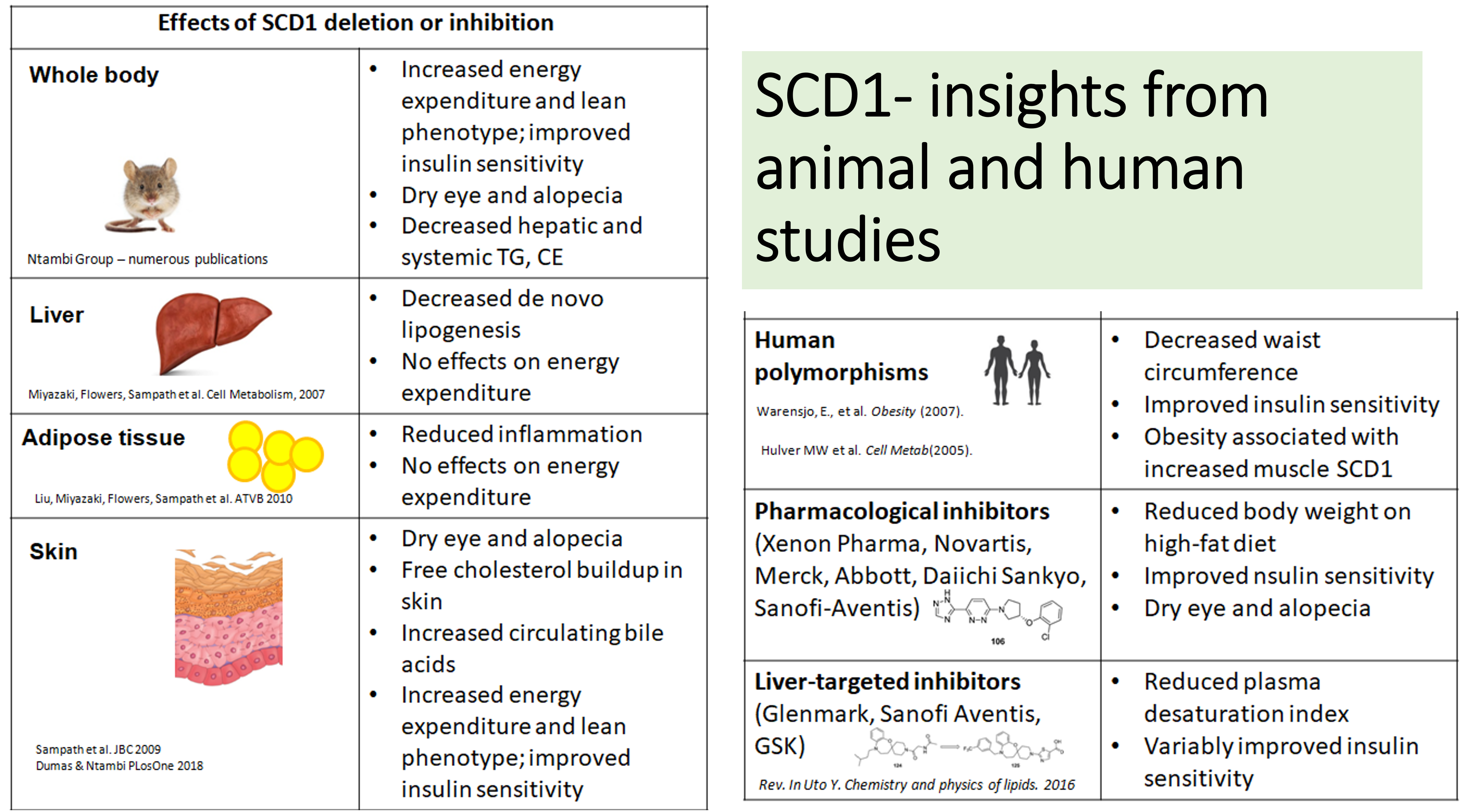
Fatty acids, both those generated by the body, and ones that come from the diet, are subject to modification. One such modification is the desaturation of saturated fatty acids by delta-9 desaturases. Delta-9 desaturases such as stearoyl-CoA desaturase (SCD) insert a double bond between carbons 9 and 10 of many saturated fatty acids, generating a monounsaturated fatty acid (MUFA) product.
We and others have demonstrated that SCD expression is both highly conserved and acutely regulated in response to various physiological stimuli, including fasting-refeeding, high-fat or high-sucrose consumption, and others. Modulation of SCD expression in various tissues elicits dramatic phenotypes such as alterations in weight gain and food intake, insulin sensitivity, energy expenditure, and inflammation.
Current projects in the lab are focused on delineating a role for tissue-specific expression of various SCD isoforms on diverse pathologies including metabolic and cardiovascular disease, inflammatory bowel disease, and cancers.
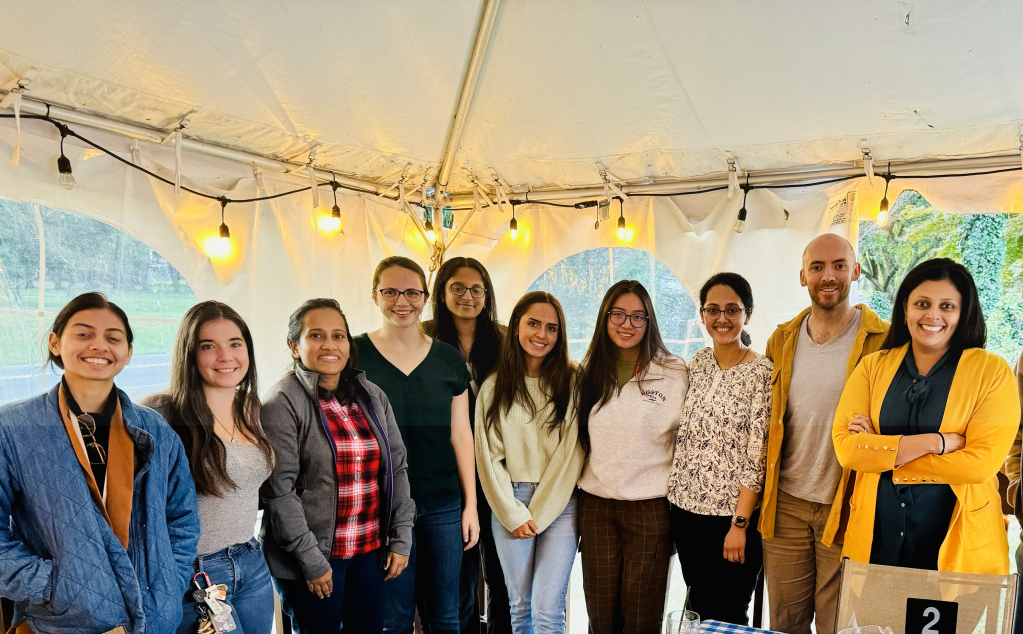
We are a group of energetic and diverse individuals with a passion for understanding how nutrients and genetics influence overall health. Alumni from the lab have continued their careers both in academia and in the private sector. The lab is funded by the NIH, the American Heart Association, and the Busch Biomedical Grant Program and is housed within the Institute for Food, Nutrition, and Health (IFNH). We are always interested in welcoming talented postdoctoral fellows and graduate and undergraduate students to the team.
PI: Harini Sampath
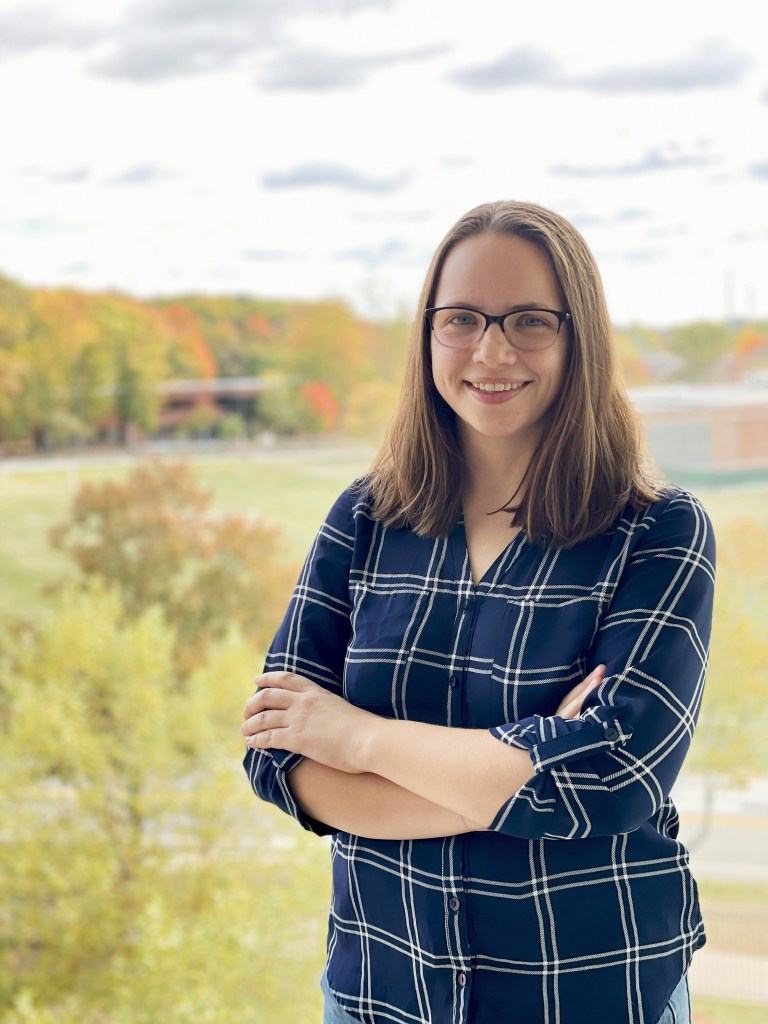
I am an Associate Professor of Nutritional Sciences and resident faculty at the New Jersey Institute for Food, Nutrition, and Health, where I also direct the Quantitative Lipidomics Core. I use my training in Biochemical and Molecular Nutrition to identify cellular alterations that underlie metabolic diseases such as type 2 diabetes and cardiovascular disease. My work has been funded by the NIH, the Marie-Curie Foundation, and the American Heart Association and has been published in numerous leading journals. I received her Ph.D. from the University of Wisconsin-Madison and my B.S. from the University of New Hampshire, both in Nutritional Sciences. In my free time, I enjoy traveling, gardening, and spending time with my family and friends.
Postdoctoral Fellows
Dr. Priyanka Sharma: I joined the lab in 2018. Having trained in academia and industry, my research projects in the past have focused on identifying new dietary phytochemicals with promising pharmacological activity against diseases posing a threat to public health. In my current role as a postdoctoral fellow in the Sampath Lab, I am working on understanding the molecular mechanisms that link fatty acids to intestinal organoid development and stem cell maintenance. In my free time, I love to travel and develop my passion for nature photography.
Natalie Burchat: Having completed my doctoral training in the Sampath Lab, I am currently a Cancer Metabolism and Tumor-Host Interactions T32 grant Postdoctoral Fellow. I am leading a project focused on elucidating the role of delta-9 desaturases in the intestine and colon. In my free time, I like to exercise and to cook.
Graduate Students
Camille Duchamp: I am a Nutritional Sciences Ph.D. candidate. I joined the lab in 2021 and am focused on understanding the role of stearoyl-CoA desaturases in modulating colonic inflammation. In my free time, I like to ride my horse and explore the outdoors.
Matthew Selby: I am a Nutritional Sciences graduate student. I joined the lab in 2022, and my research examines how tissue-specific stearoyl-CoA desaturases modulate whole-body lipid and energy homeostasis. In my free time, I enjoy weightlifting, gardening, and being outraged at TikTok dietary advice.
Undergraduate Students
Undergraduate researchers are a vital part of our team. Each year, we host several talented undergraduates from various departments, including Nutritional Sciences, Biochemistry, Genetics, Cell Biology and Neuroscience, Food Science and more. In addition, Dr. Sampath serves as a trainer in several prestigious undergraduate research pipelines, including the Aresty Program, the RUYES Program, the IMSD/McNair program, and the G.H.Cook Scholar program. Our undergraduates go on to Medical school, graduate training programs around the world, or the biotech industry. If you would like to be a part of the team, please contact Dr. Sampath with your CV, transcript, and reasons for wanting to join our team.
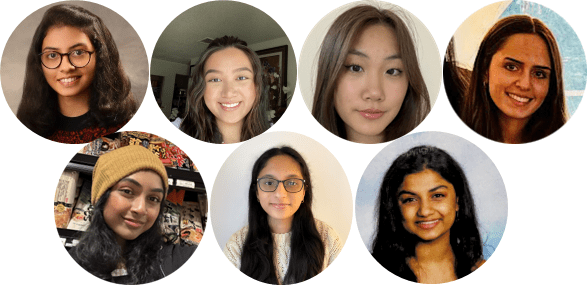
Bhavya Gupta, Biochemistry 2025, Impact of OGG1 on tissue homeostasis, working with Bhavya Blaze
Jeanine Vidola, Biochemistry 2024, GH Cook Honors Student, Impact of intestinal SCD on SCFA synthesis, working with Dr. Natalie Burchat
Kelly Cheng, Biological Science 2026, Project TBD
Betul Yildiz, Lab Assistant
Bottom row L to R
Aishvarya Indiran, Biotechnology 2024, GH Cook Honors Student, Colonic lipid composition in response to high-fat diet feeding, working with Dr. Natalie Burchat
Archini Desai, Genetics 2025, Role of intestinal lipids on autophagy, working with Matt Selby
Jessica Kothapalli, Biochemistry 2026, Intestinal lipids and risk for colon cancer, working with Dr. Natalie Burchat
Sampath Lab Alumni
Alumni (partial list) – please be sure to keep in touch!








 The Sampath Lab